
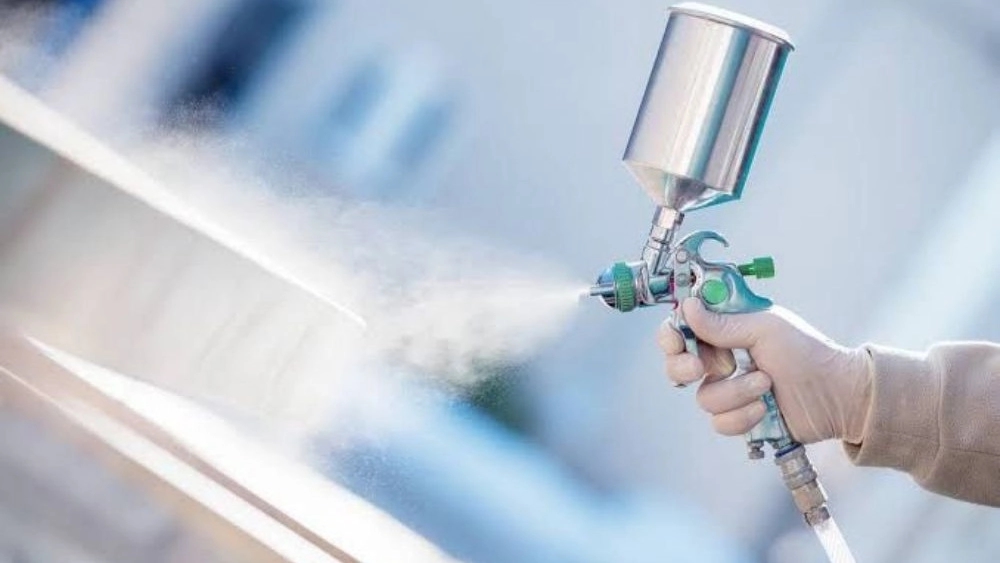
7 steps of painting plastic parts
After people got acquainted with the polymer material called plastic, this material quickly entered daily life in the form of various tools and devices, so that it can be said that today this material is considered as one of the inseparable members of daily life. With the passage of time and the widespread use of plastic and plastic items in different parts of life, a topic called coloring plastic parts was raised.
The process of coloring plastic parts may be classified in the category of simple tasks at first glance, but until some time ago, it was not possible to do this because of the smooth and non-porous surface of plastic, as well as the characteristic of its non-colorability; With the passage of time and the efforts of engineers in the field of petrochemicals, methods and solutions for painting plastic parts, which today can be used to paint a plastic part as desired and easily.
First step: choosing the desired plastic piece
As mentioned, with the advancement of technology and the solutions provided by petrochemical engineers, all plastic parts can be painted today, but one of the things you should pay attention to when choosing the desired plastic part is that your part can be used after painting.
Since the process of painting plastic parts is a time-consuming process and requires high precision, it is recommended not to use disposable plastic tools to do this, so that you can enjoy the results of your work at least for a short time. Take it.
Second step: washing the plastic piece
One of the first steps in any painting process is to clean the selected part from contamination such as dust particles and grease stains, so it is obvious that in order to paint a plastic part, you must first wash it to remove any contamination. Doing this, in addition to making it easier for you to do other coloring steps, has a special role in getting a more favorable result at the end.
The third step: sanding the plastic part
Sanding the plastic piece is one of the steps that will increase the colorability of your piece. To do this, it is recommended to move the sandpaper slowly and in a circle at an angle of 200-300 degrees, slowly and patiently doing this will lead to no scratches and annoying lines on your plastic piece.
Fourth step: cleaning the plastic part
One of the essential tasks after sanding the plastic part is to clean it with alcohol; By doing this, you will prevent the paint from flaking after being applied to the piece and creating color bubbles after the painting process is finished. In another language, it can be said that cleaning the plastic part with alcohol will prevent the remaining of extra colored oils on the part.
Fifth step: covering the extra parts
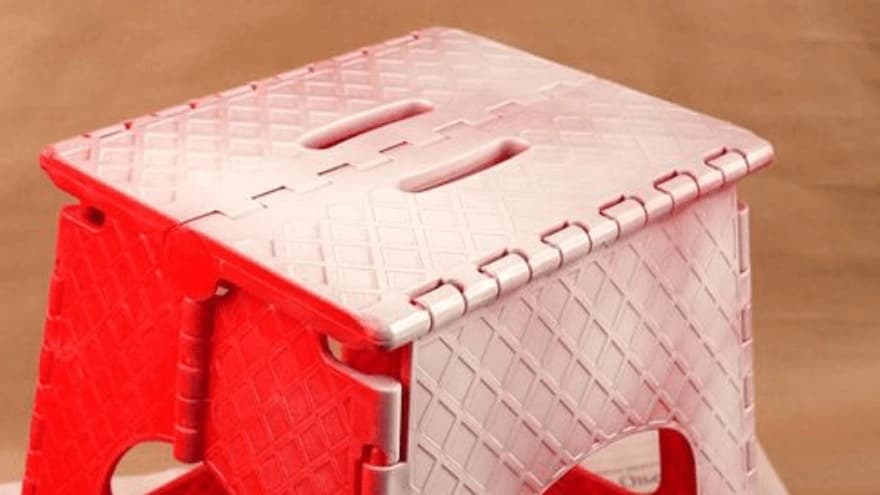
If the parts that do not need to be painted become colored, you can easily remove them by using cleaning methods from the plastic parts, but since this work requires energy and time, it is better to cover the parts that do not need to be painted before painting the plastic parts.
To cover the extra parts before applying the paint on the plastic part, you can use different materials such as paper, cardboard or adhesives. Use a tape.
The sixth step: applying the primer layer
If you want the paint to adhere well to your plastic piece when painting plastic parts and not to crack or fall off the surface after a while, it is better to apply a layer of primer on the plastic part before applying the paint.
After applying the primer on the plastic part, in addition to helping the paint adhere to the part, it will create a smooth and smooth surface after painting.
The seventh step: coloring the plastic piece
After completing the mentioned steps, now it is time to paint the desired plastic part; After deciding to paint the plastic piece, be sure to choose a quality and durable color when choosing the color.
To start painting the plastic parts, it is better to apply a light and thin layer of paint on the desired piece and let it dry completely. After the initial layer has dried, apply other layers of paint in different directions on the plastic piece so that all its areas are completely covered with paint.
Pay attention to the fact that after finishing painting the plastic piece and drying all the applied layers of paint, you may notice that the applied color has problems in some places, which you can use a fine brush to fix.
What color is suitable for painting plastic parts?
For painting plastic parts, different models of industrial paint are used, including electrostatic furnace paint. One of the common points among all the special colors for painting plastic parts is that these colors include epoxy, polyester, epoxy polyester, and polyethylene.
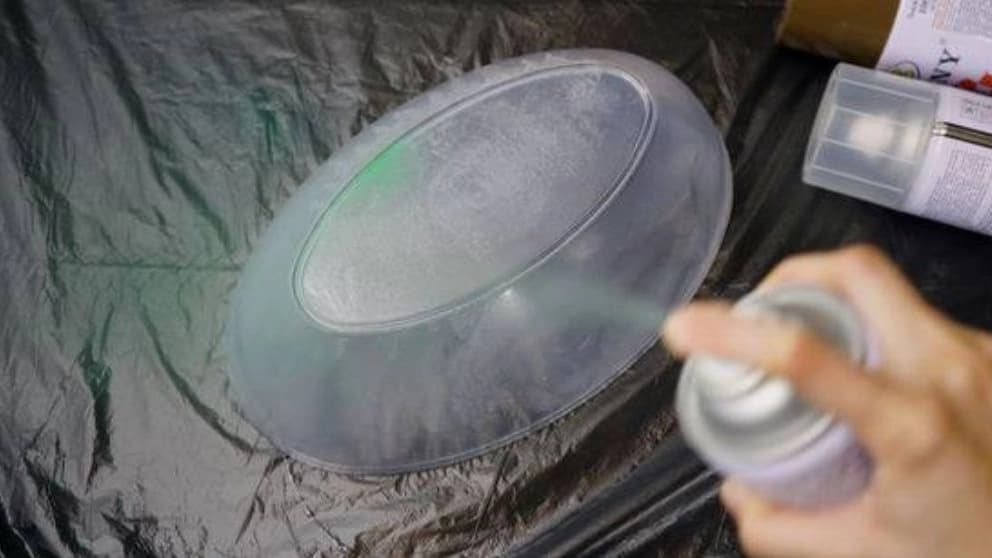
If it is the first time you want to paint a plastic part, but you do not know what color is the right one to do this, just pay attention to the label on the paint sprays under the title "special for painting plastic parts" when buying paint.
What points should we observe when painting plastic parts?
Since you are going to use industrial paints when painting plastic parts, it is better to keep several safety tips in mind; Since industrial paints release their chemical compounds into the surrounding environment after being placed on the surface, it is essential to consider the following safety tips:
Use a mask and special gloves when painting. Place in direct sunlight.